Language Access
Children communicate through language to connect with the world and grow their identities. For Deaf and hard-of-hearing children, language acquisition is vital to cognitive and emotional development. As parents, you have the critical role of ensuring your child has early and consistent access to appropriate language models.
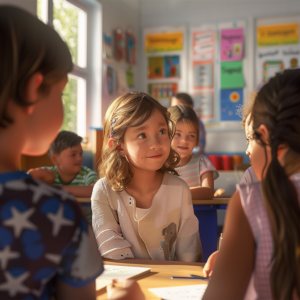
When families have the right tools and support, children thrive regardless of their hearing status. With the right environment and encouragement, your child can develop a robust language foundation that opens a world of opportunity.
Every family has their own unique approach, but one thing is consistent: children need language access from birth.
How Deaf Children Learn Language
Deaf and hard-of-hearing children learn language like all children do — through interactions, play, and exposure to language models. The earlier we provide access, the better the outcomes. Visual languages like American Sign Language (ASL) and auditory-based approaches are both valid paths. Your family decides what works best for your child.
Professionals like educators, therapists, and audiologists are your allies. They collaborate with your family to ensure the right strategies are in place. Whether your family chooses auditory-verbal therapy, signing, or a blend, the end goal is building a fully accessible language environment.
Creating Language Opportunities
Every moment is an opportunity to support language growth. Whether it’s reading stories together, practicing signs during play, or engaging in conversations at the dinner table, your consistency makes the difference. Tools and resources can amplify these efforts.
Many parents find sign language classes and family-centered programs invaluable. Connect with other Deaf families to share experiences, tips, and support. Your child’s communication journey is one of growth and discovery, so celebrate each milestone together.